Course
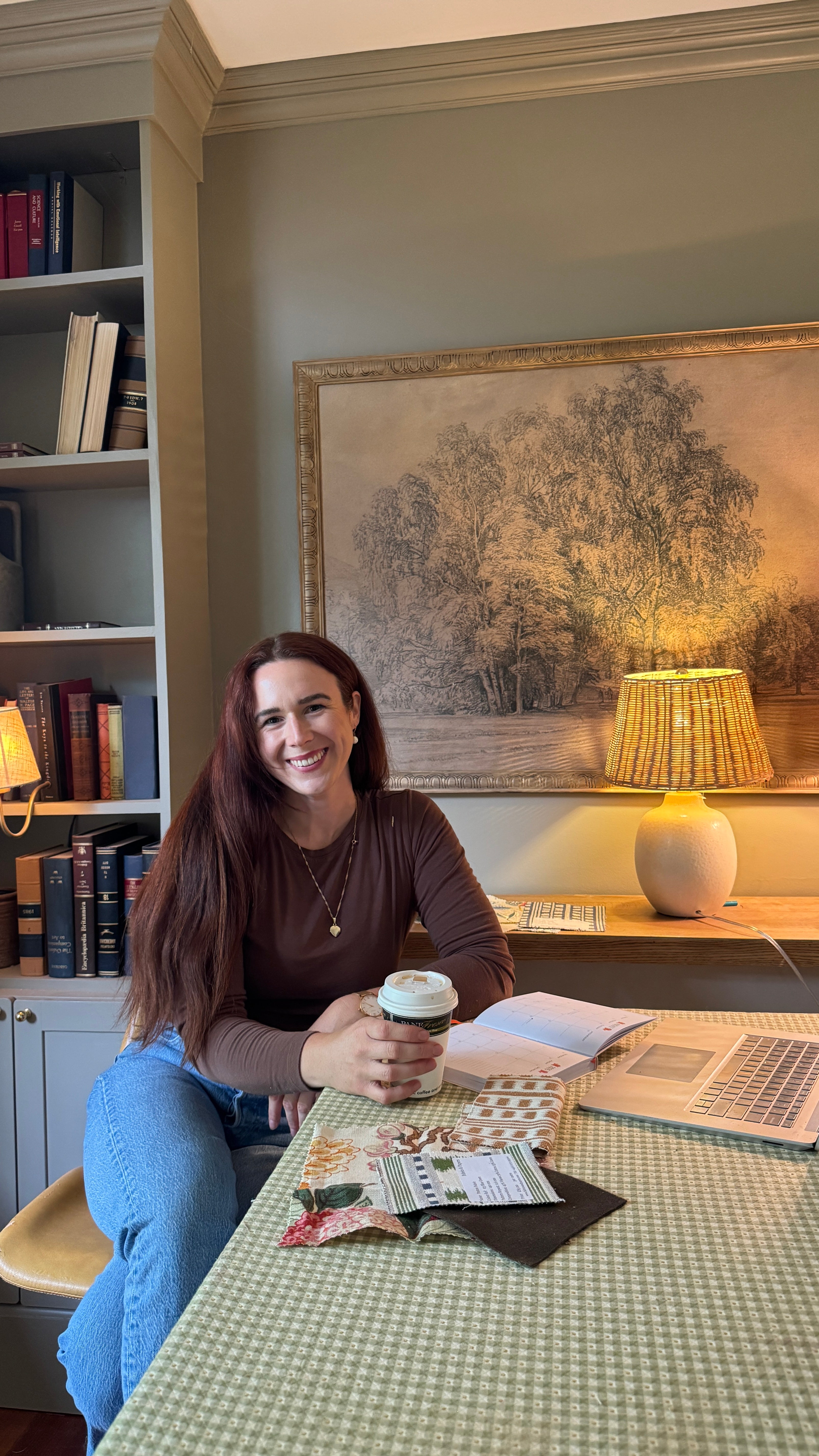
HI, I'm samantha
I’m passionate about creating a beatiful and unique home that is reflective of you and your family. I’ve always aimed to share this mission. Through DIY project tutorials to now crafting bespoke furniture for your home. Here’s how samanthamariehome has come to be. I’m so happy you’re here.
HOW IT STARTED
A few years ago, we bought our first house. A small perfectly imperfect old home. I was itching to make it my own but our budget was limited. I had suddenly come into free time after burning out of my “dream” job and decided to give it a go.
I started teaching myself. Carpentry, painting, refinishing, building things from scratch — slowly, one project at a time. I started sharing the process online without really thinking about it, and over a few years a community of people built up who knew me as the DIY girl figuring it out as she went. That part of the story still matters. The skills I built then are what made everything that came after possible.
WHY UPHOLSTERY
In early 2025, I lost my brother suddenly. In the months after, I needed something to put my mind into — something hard, something that would take all of my attention, something I could disappear into when I needed to. Upholstery became that thing.
I picked it as the project because it was the hardest one I could think of that I hadn't tried. It used some of what I already knew — the wood work, the building, the working with my hands — but most of it was completely new. The technique, the materials, the eye for what makes a piece feel right in a room. There was enough to learn that it could hold all of me for as long as I needed it to.
I started by reupholstering pieces for myself, then for family and friends. Then a few people offered to pay me. Then a portfolio took shape. The business grew quietly, one piece at a time, and somewhere along the way it stopped being a project and started being the work.
HOW I WORK
Every ottoman starts in my Ontario workroom where I make my base from scratch using solid solid. Everything is made here frame to finish, all by hand.
MY INSPIRATION
Upholstery is a beautiful blend of art and craft. I combine my eye for design with my traditional upholstery techniques to create one of a kind pieces that will last years.
I acquire a lot of inspiration from British designers. I’m passionate about adding pattern into rooms in a carefully curated way with restraint.
Our homes are meant to be uniquely our own. I get so much joy from knowing that I’m able to facilitate that.
If you've made it this far, I'm glad you're here. Thanks for reading.
— Samantha
Have a question?
We are here to help.

Made in Canada
We proudly make our furniture from frame to finish within Ontario, Canada.